LANGUAGE
BY MEDIA N
Thinking in another language
This brief focuses on culture, exploring how people from diverse backgrounds view the world. Examining various cultural examples deepens our global perspective. Because language is the key to this insight, this article explains how learning a foreign language enhances cultural understanding.
Character and image
Images that speak, words that paint
Chinese characters in art
One of the main virtues of Confucianism
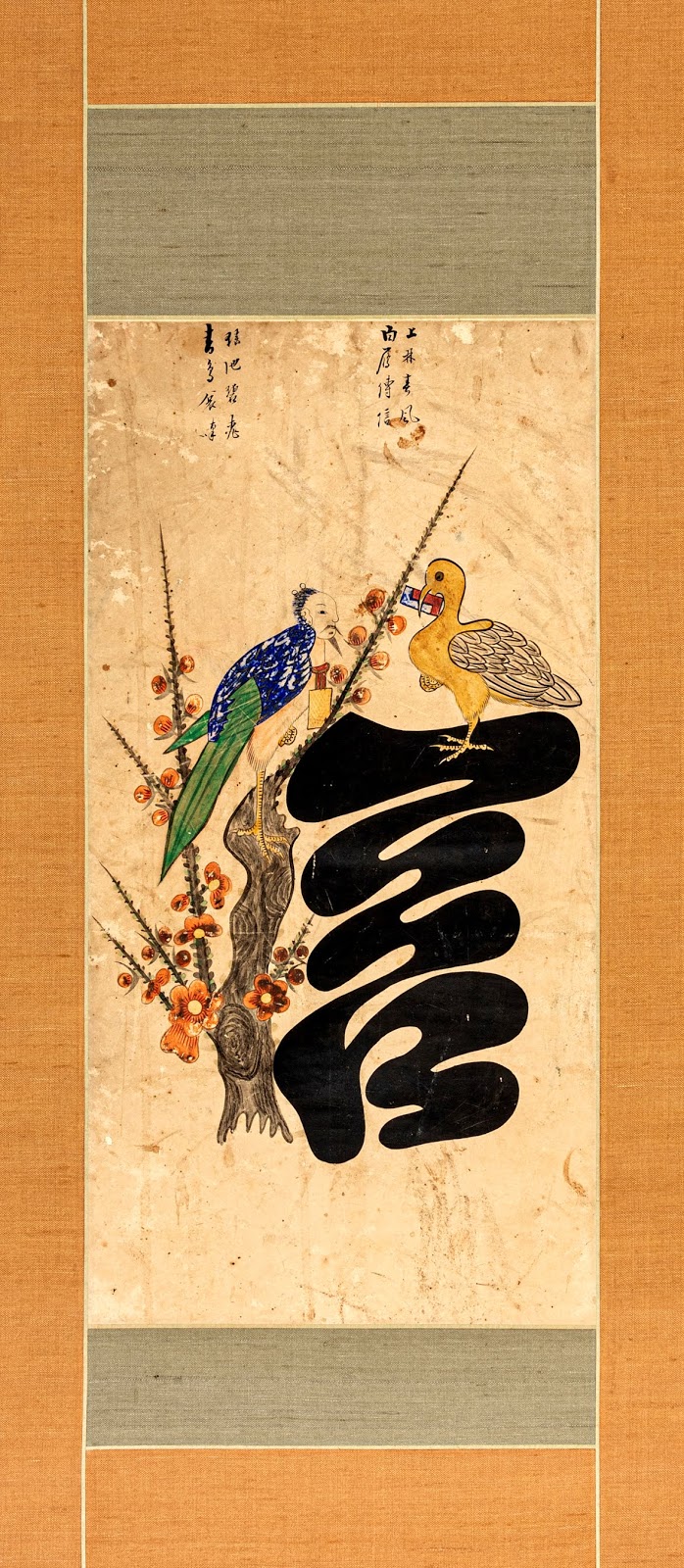
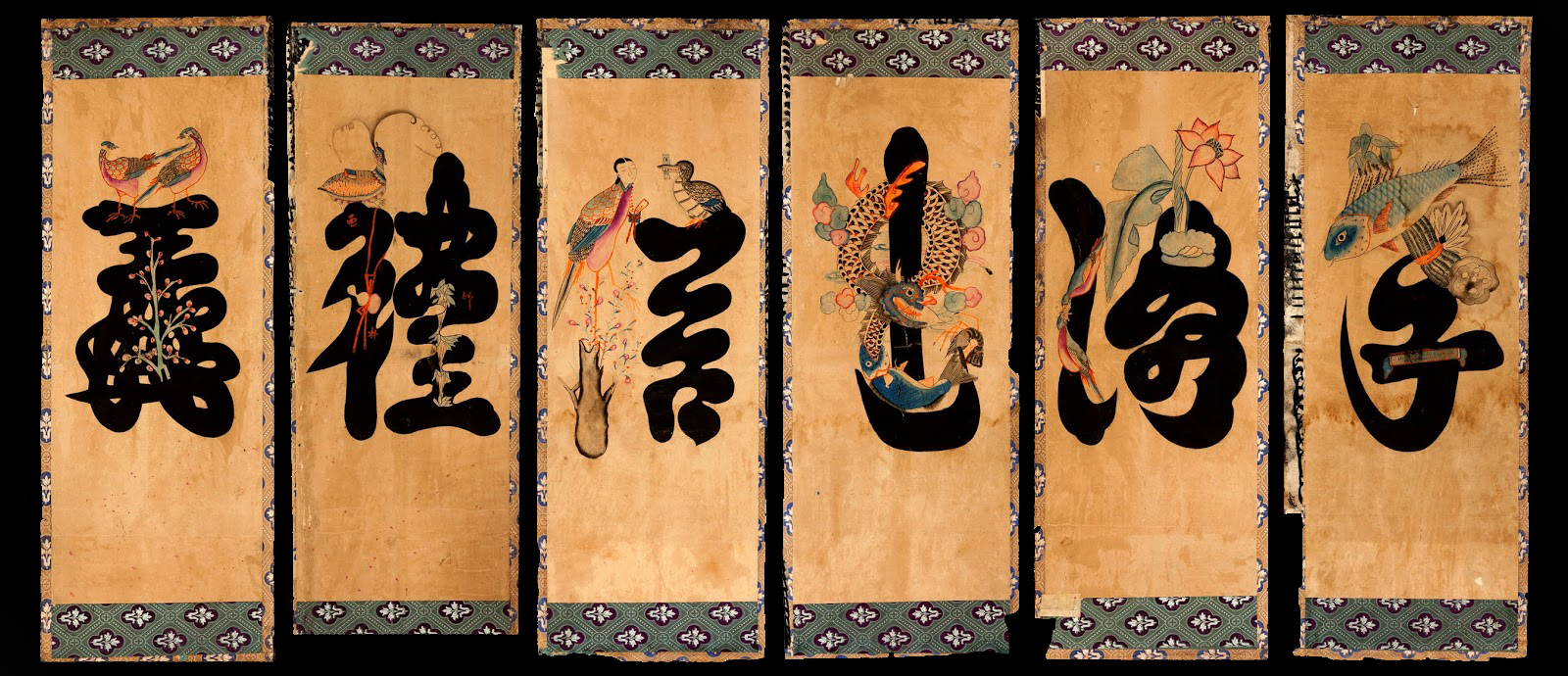
The Munjado is a traditional ten-panel folding screen that features stylized Chinese characters, each accompanied by symbolic illustrations such as birds, fish, and flowers. Rooted in Confucian values, Munjado (literally “Character Pictures”) transforms abstract moral virtues into visual narratives, blending calligraphy with elements of folk art. Primarily used during the Joseon Dynasty, these screens served both decorative and didactic purposes, often displayed in scholars' studies or used as educational tools for children. The lower panels prominently display eight classical Confucian virtues expressed through Chinese characters: 孝 (filial piety), 悌 (brotherly love), 忠 (loyalty), 信 (trust), 禮 (propriety), 義 (righteousness), 廉 (integrity), and 恥 (a sense of shame). By combining moral instruction with artistic expression, Munjado embodies the harmony of visual beauty and ethical teaching in Korean cultural heritage.


Explore the meanings behind the images and words
Speech is a reflection of the mind. When we speak of something, it takes shape. Words and images come together—and when we speak of them, culture emerges. This is one path to understanding people and their cultures. (The image below scrolls horizontally on smaller screens.)
Korean creativity and artistic ingenuity

In some cases, strokes were stylized or replaced with images